Research Theme 02
Cardiovascular disease in people living with HIV
My work in HIV has focused on cardiovascular disease risk, cardiac phenotyping,
biomarkers, and clinical outcomes in people living with HIV receiving modern
antiretroviral therapy. Much of this work was conducted during my time at the
Metabolism Unit at Massachusetts General Hospital and within the
REPRIEVE trial
team — the largest contemporary global randomized trial studying cardiovascular
disease prevention in people living with HIV. Through collaborations across
international clinical and research centers, I got to lead some projects, and contribute to other ones
that were lead by outstanding researchers.
Selected publications
This work spans risk prediction, cardiac outcomes, inflammatory biomarkers,
and causes of cardiovascular death in people living with HIV.
Original Research
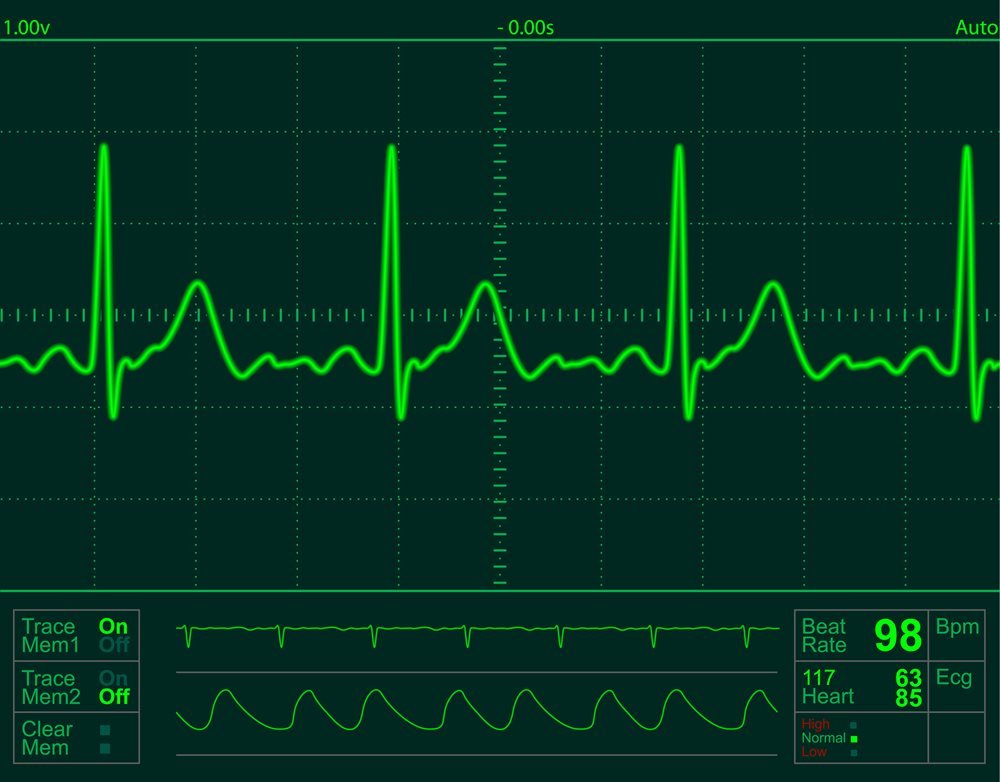
Baseline ECG and Cardiovascular Outcomes in People With HIV: Insights From REPRIEVE
Journal of the American Heart Association (JAHA) · 2025
This study examined whether baseline ECG abnormalities provide additional
information about future cardiovascular risk among people living with HIV
receiving stable antiretroviral therapy, and wether ECG screening is warranted in this population.
Why this matters
ECGs are widely available, inexpensive, and already part of clinical care.
This work asks whether routine cardiac signals can help refine risk
stratification in a population with persistent cardiovascular risk.
Original Research
Heart Failure Risk and Events in People With HIV: The Randomized Trial to Prevent Vascular Events in HIV (REPRIEVE)
Circulation: Heart Failure · 2025
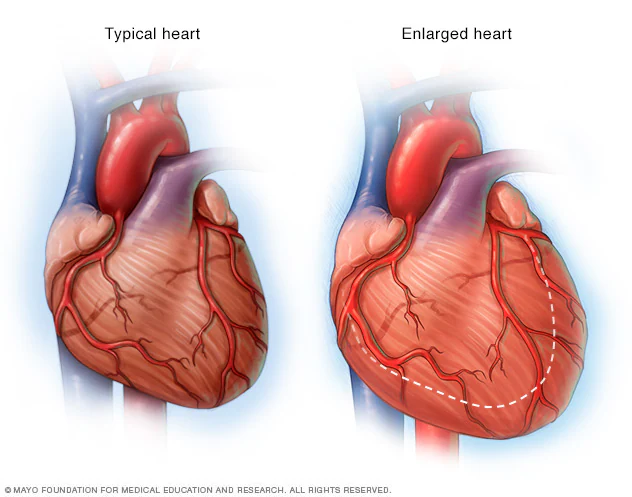
This work evaluated heart failure risk and prediction in people living with HIV,
with attention to how traditional cardiovascular risk tools perform in the
setting of chronic HIV infection and contemporary treatment.
Why this matters
Heart failure is an increasingly important outcome as people with HIV live
longer. Understanding prediction and risk patterns can help move prevention
beyond atherosclerotic events alone.
Original Research
Risks for sudden cardiac and undetermined cause of death among people with HIV in the REPRIEVE primary cardiovascular prevention trial
AIDS · 2025
This analysis examined risk factors for sudden cardiac death and undetermined
cause of death among people living with HIV, using data from REPRIEVE.
Why this matters
Sudden and unexplained deaths remain difficult to study and prevent. This
work helps characterize whether these outcomes share overlapping clinical
patterns and risk profiles in people with HIV.
Original Research
Risk of obesity, diabetes, hypertension, and major adverse cardiovascular events after a switch to an integrase inhibitor: a target trial emulation in REPRIEVE
The Lancet HIV · 2025
Using data from the global REPRIEVE cohort, this study examined
the long-term cardiometabolic consequences of switching to an
integrase inhibitor (INSTI)-based antiretroviral regimen. Through
a target trial emulation approach, we found that switching to an
INSTI was associated with a higher risk of developing obesity,
diabetes, and hypertension, although no increase in major adverse
cardiovascular events was observed during follow-up.
Why this matters
Modern HIV therapy has transformed HIV into a chronic condition,
shifting attention toward long-term health and aging. This work
highlights how treatment decisions can influence future metabolic
health, emphasizing the importance of balancing virologic control
with the prevention of obesity, diabetes, and other chronic
comorbidities.
Original Research
Statin effects on the incidence of major non-cardiovascular disease events among a
global cohort of people with HIV: a randomised controlled trial
The Lancet HIV · 2024
This prespecified secondary analysis of the REPRIEVE randomized trial examined
whether pitavastatin reduced major non-cardiovascular disease events among
people with HIV. While pitavastatin lowered cardiovascular events, it did not
significantly reduce major non-CVD outcomes, including AIDS-defining events,
non-AIDS cancers, renal disease, or liver disease.
Why this matters
REPRIEVE showed that statins can meaningfully reduce cardiovascular risk in
people with HIV, but this analysis clarifies the limits of that benefit.
Non-AIDS cancers remained common and were a leading cause of mortality,
highlighting the need for prevention strategies beyond statin therapy to
address the broader burden of disease in people living with HIV.